
Harborough's new Local Plan sets a 13,182-home target to 2041, and inspectors open hearings on 12 August on whether that is enough to survive examination at all.
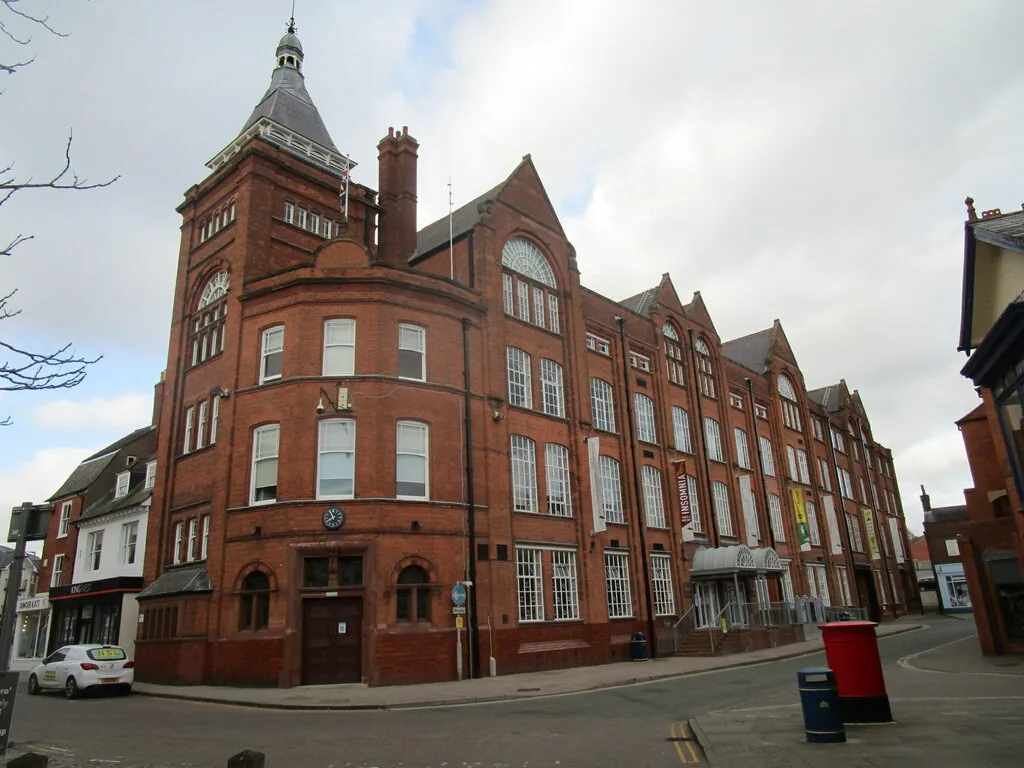
Three planning inspectors sit in the Symington Building on Adam and Eve Street at 10am on Wednesday 12 August 2026, and the question in front of them is not where Harborough’s homes should go. It is whether the district’s new Local Plan is allowed to be examined at all under the rules it was written for.
The plan proposes 13,182 homes between 2020 and 2041. The government’s own formula says Harborough needs 723 a year, and the plan, stripped of a contribution it makes to Leicester’s shortfall, provides 534. That is 74% of need against an 80% threshold, and those six percentage points are what the whole hearing is about.
Where the plan has got to
Harborough’s current Local Plan covers 2011 to 2031 and was adopted on 30 April 2019. It set a minimum of 557 homes a year. Councils have to review plans at least every five years and plan 15 years ahead, so a new one has been in preparation since 2024.
| Stage | Date |
|---|---|
| Regulation 18, Issues and Options consultation | 16 January to 27 February 2024 |
| Regulation 19, Proposed Submission Draft consultation | 10 March to 6 May 2025 |
| Updated Local Development Scheme approved | 12 November 2025 |
| Approved for submission at Extraordinary Council | 16 March 2026 |
| Submitted to the Secretary of State | 17 April 2026 |
| Stage 1 hearing, transitional arrangements | 10am, 12 August 2026 |
The inspectors are R Barrett, L Nurser and W Cooper, appointed by the Secretary of State. Hearing sessions are open to attend but taking part in them is by the inspectors’ invitation, not by turning up.
The 80% question
When the government rewrote the National Planning Policy Framework in December 2024, it raised housing targets and put in transitional arrangements. Paragraph 234(a) lets a plan already well advanced be examined against the older December 2023 Framework, but only if its housing requirement meets at least 80% of local housing need calculated by the new standard method.
Harborough’s numbers, from the plan’s own Policy DS01 and the statements now before the inspectors:
Read the bars in order and the argument is plain. Local housing need under the 2024 standard method is 723 homes a year, so the 80% threshold is 579. Harborough’s plan sets 657 a year to 2036, which clears it, but 123 of those 657 are homes the district agreed to take to help meet Leicester’s unmet need. Take those out and the district’s own requirement is 534 a year, which is 74% of need and the rate the plan drops to anyway from 2036 to 2041.
The inspectors have put three questions to the hearing:
- Does a housing requirement that includes a contribution to Leicester’s unmet need accord with paragraph 234(a) at all?
- If the right test is the requirement excluding that contribution, and it comes to 74%, what follows for the examination?
- If the plan has to be examined against the 2024 Framework instead, what does that do to its soundness?
Five parties are down to take part alongside the council: Bidwells for Taylor Wimpey Strategic Land, DLP for Lagan Homes, Planning Prospects for Richborough, Savills for Barratt Redrow and Savills for Barratt David Wilson. Boyer, also for Richborough, has filed a written statement. Every one of them is a housebuilder or a promoter, and they all argue the same way: that the plan does not clear 80%, and should be examined against the tougher 2024 rules. Savills notes that 13,182 homes is about 87% of the standard-method total over the whole period, against a threshold of 12,146; the developers’ case rests on the annual figure, where the plan lands at 74%.
If the inspectors agree with them, Harborough has to plan for more homes than 13,182.
What the plan allocates, and where
Underneath the argument sits a real plan. Beyond homes already permitted or built and an allowance for windfalls, it allocates land for at least 6,422 new homes:
| Where | Homes in the plan period |
|---|---|
| Leicester urban area | 2,450 |
| of which Land South of Gartree Road | 1,200 |
| of which Scraptoft | 1,125 |
| of which Thurnby and Bushby | 125 |
| Market towns | 1,670 |
| of which Market Harborough | 1,350 |
| of which Lutterworth | 320 |
| Large villages | 1,500 |
| Broughton Astley | 475 |
| Kibworth | 475 |
| Great Glen | 400 |
| Fleckney | 150 |
| Medium villages | 452 |
| Small villages | at least 350 |
| Total | at least 6,422 |
Two things in that table are worth stopping on.
The biggest allocation is nowhere near Market Harborough. Land South of Gartree Road is on the Leicester edge of the district, next to Oadby and Wigston. Policy SA02 allocates 3,150 homes within Harborough, part of a cross-boundary scheme of approximately 4,000 homes planned jointly with Oadby and Wigston Borough Council to an agreed heritage-led masterplan. Only 1,200 of the 3,150 are expected to be built by 2041; the rest run on past the plan. It also brings five hectares of employment land, five hectares for travelling show people and three hectares for a cemetery. The development partners are Homes England and Urban & Civic.
Lutterworth gets less than its size suggests, at 320 homes against Market Harborough’s 1,350. The plan says this reflects the number of homes already permitted there, chiefly the East of Lutterworth Strategic Development Area allocated in the 2019 plan, and the fact that Lutterworth’s population in 2021 was less than half Market Harborough’s.
The three Market Harborough sites
The town’s 1,350 homes come from three allocations:
- MH1, land east of Leicester Road and south of the Grand Union Canal: 250 homes, all expected within the plan period, delivering at 50 a year.
- MH2, east of Market Harborough Road: 850 homes allocated, of which 500 are expected by 2041. The plan describes the site as an important gateway into the town along the B6047.
- MH3, land south of Gallow Field Road: 600 homes, all within the period, building at up to 80 a year.
How much is actually getting built
The council’s Authority Monitoring Report for 2024/25 records 491 new homes completed, of which 77 were affordable: 34 social rented, 8 affordable rented, 20 shared ownership and 15 discounted open market sale. That is below the adopted plan’s 557 a year, and well below the 657 the new plan wants.
One number cuts the other way, and it is a big one. The government’s Housing Delivery Test, published on 12 December 2024, found Harborough delivered 210% of its requirement between 2020 and 2023. A result over 95% means no action plan and no buffer. So the district is not a laggard on delivery; the argument at the hearing is about the size of the target, not about whether Harborough builds.
What happens next
If the inspectors find for the council on 12 August, the examination continues against the December 2023 Framework and the 13,182 figure stands, subject to the rest of the hearings. If they find against it, the plan is tested against the 2024 Framework. On the developers’ arithmetic Harborough is 45 homes a year short of the 80% threshold and 189 a year short of meeting local housing need in full, so land would have to be found for somewhere between roughly 900 and 4,000 more homes over the plan period.
Either way the inspectors may recommend main modifications, which the council would have to consult on before they report. Only then can the plan be adopted.
There was a deadline behind all of this. In July 2026 the Government decided that Harborough District Council would be abolished on 1 April 2028 and absorbed into a new Leicestershire and Rutland unitary authority, with several parishes going to a Leicester-based council. That decision was put under review on 7 September 2026, so the date is no longer fixed. A plan adopted before any reorganisation binds whoever inherits it. A plan that is not adopted becomes someone else’s problem, and in the meantime the district decides applications against a plan written for 2011 to 2031.
What it means if you live here
For most people the practical question is what gets built near them, and the answer depends on which tier of settlement they are in. Market Harborough, Broughton Astley, Kibworth, Great Glen and Fleckney carry the bulk of it. The small villages carry at least 350 homes between them, which is proportionate growth rather than an estate.
The housing market is already reacting to the pressure. Harborough is the most expensive district in the East Midlands, at a £346,000 average against £241,000 for the region, and the house prices page sets out where the money actually goes. Growth in the town is also driving the roads work: the Rockingham Road scheme is funded by Section 106 contributions from development and is designed, in the county council’s words, to let junctions cope as Harborough grows. That is on our roadworks and travel page.
Frequently asked questions
How many homes will be built in Harborough district?
The new Local Plan sets a requirement of 13,182 homes between 2020 and 2041, at 657 a year to 2036 and 534 a year after that. Of those, land for at least 6,422 is allocated on specific sites; the rest comes from homes already permitted, homes already built and an allowance for windfall sites.
What is happening at the Local Plan hearing on 12 August?
The inspectors are testing one question: whether the plan can be examined against the December 2023 planning rules under the transitional arrangements in the 2024 Framework. That depends on whether its housing requirement meets 80% of local housing need. It sits at 74% once homes taken on for Leicester are excluded.
Where are the new homes going in Market Harborough?
Three sites totalling 1,350 homes in the plan period: 250 east of Leicester Road and south of the Grand Union Canal, 500 of an allocated 850 east of Market Harborough Road, and 600 south of Gallow Field Road.
What is the biggest development in Harborough district?
Land South of Gartree Road, on the Leicester edge next to Oadby and Wigston: 3,150 homes within Harborough as part of a cross-boundary scheme of about 4,000, being brought forward by Homes England and Urban & Civic. Only 1,200 are expected before 2041.
How many homes were built in Harborough last year?
491 in 2024/25, of which 77 were affordable. That is under the adopted plan’s 557 a year, though the government’s Housing Delivery Test still had the district at 210% of requirement for 2020 to 2023.
Which Local Plan applies right now?
The Harborough Local Plan 2011-2031, adopted on 30 April 2019. It stays in force until the new plan is adopted, and until then the emerging plan carries only limited weight.
Sources
- New Local Plan, Harborough District Council for the plan period, consultation dates, submission date and inspectors.
- Hearing Sessions and Written Statements for the 12 August hearing, venue and written statements.
- Panel Note 4, Stage 1 Matters, Issues and Questions, 24 June 2026, for the inspectors’ three questions and the 74% figure.
- Proposed Submission Draft Harborough Local Plan for Policy DS01, Policy SA02 and the site allocations.
- Written statement, Bidwells for TW Strategic Land and Savills for Barratt David Wilson for the 723, 579 and 534 dwellings-per-year figures.
- Timetable for the Harborough examination for the Stage 1 participants.
- Authority Monitoring Report 2024/25 for completions, affordable homes and the Housing Delivery Test result.
- Local Plan, Harborough District Council for the adopted 2011-2031 plan.
- Government announce new unitary councils for Leicester, Leicestershire and Rutland, 16 July 2026.
Examination documents are published as they are filed and the timetable moves. Everything above was taken from the council’s own examination pages on 9 August 2026. We do not source the outcome of a hearing from anywhere but the published documents.
Have your say